
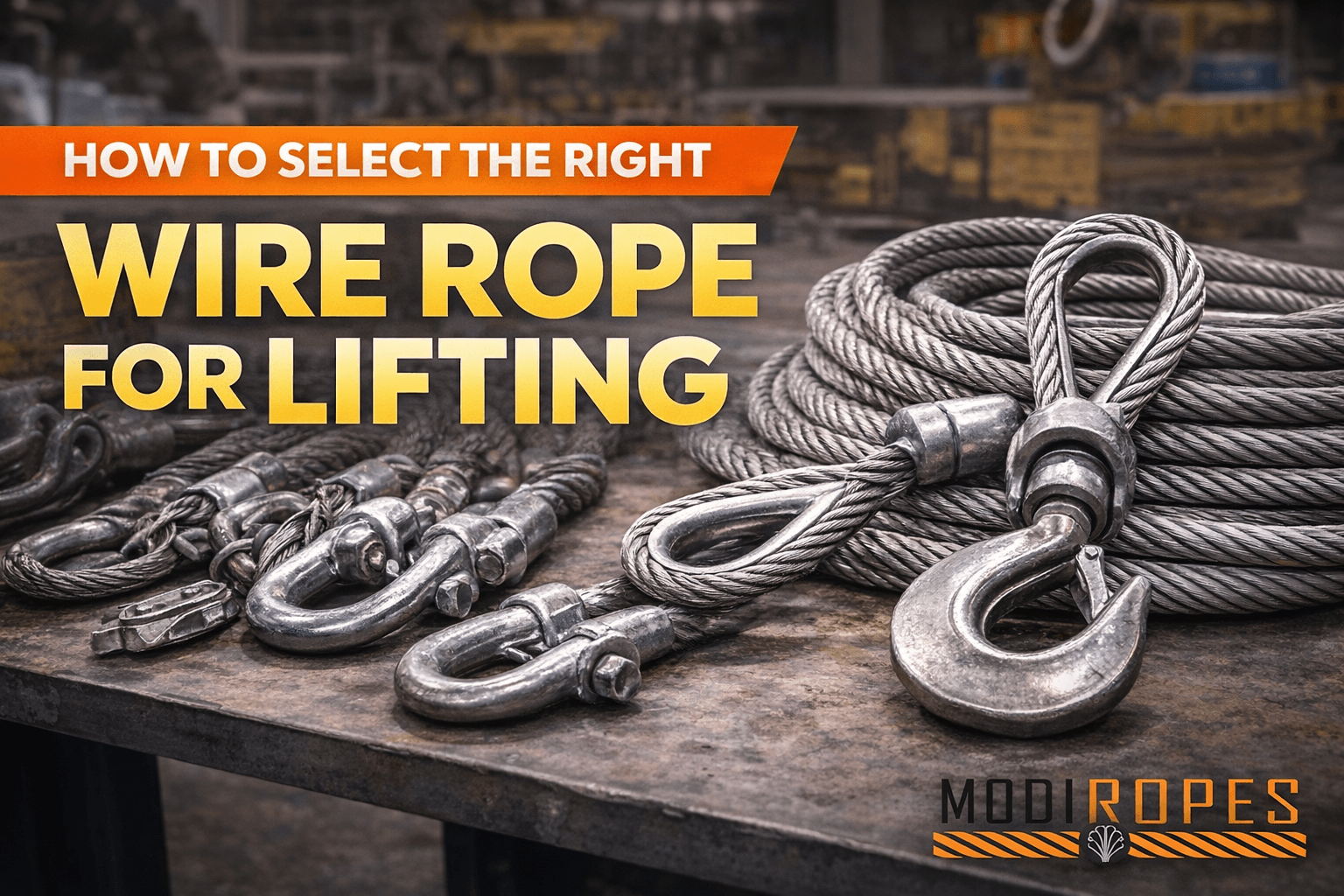
How to Choose Wire Rope For Lifting
Wire rope is one of the most important lifting components used in industries like construction, factories, shipping, mining, and material handling. Choosing the right wire rope for lifting is very important for safety, efficiency, and long product life. A wrong selection can cause accidents, equipment damage, and financial loss.
In this guide, we will explain how to select the right wire rope for lifting in simple words so anyone can understand it.
What is a Wire Rope?
A wire rope is a strong rope made from many steel wires twisted together to form strands. These strands are then twisted around a central core to create a strong and flexible rope.
Wire ropes are commonly used in:
- Cranes
- Hoists
- Lifting slings
- Elevators
- Construction equipment
- Material handling operations
They are designed to lift heavy loads safely and efficiently.
Why Selecting the Right Wire Rope is Important
Selecting the correct wire rope helps in:
✔ Safe lifting operations
✔ Longer rope life
✔ Better load handling
✔ Reduced maintenance cost
✔ Preventing accidents and failures
A properly selected wire rope ensures maximum safety and productivity in lifting applications.
Important Factors to Consider When Selecting Wire Rope for Lifting (How to Choose Wire Rope For Lifting)
1. Load Capacity (Working Load Limit)
The first and most important factor is the weight of the load you want to lift.
Always choose a wire rope that has a higher working load limit than the actual load. This ensures safe lifting and prevents rope failure.
Example:
| Load Weight | Recommended Wire Rope Capacity |
|---|---|
| 1 Ton | Minimum 1.5 – 2 Ton Capacity |
| 5 Ton | Minimum 7 – 8 Ton Capacity |
| 10 Ton | Minimum 14 – 16 Ton Capacity |
Never lift loads that exceed the safe working load limit of the wire rope.
2. Wire Rope Construction
Wire ropes come in different constructions, and each type is suitable for different lifting applications.
Common constructions include:
| Construction | Features | Applications |
|---|---|---|
| 6×19 | Strong and durable | General lifting |
| 6×36 | Flexible rope | Cranes and hoists |
| 8×19 | High flexibility | Elevators |
| 6×37 | Very flexible | Heavy lifting |
Choosing the right construction ensures strength and flexibility according to your lifting needs.
3. Rope Diameter
Wire rope diameter plays a major role in lifting capacity.
A thicker rope usually means:
- Higher strength
- Better durability
- Higher lifting capacity
However, the diameter must match the pulley, drum, and lifting equipment being used.
4. Core Type
The core is the center part of the wire rope. It supports the strands and affects the rope strength and flexibility.
Common core types include:
Fiber Core (FC)
- More flexible
- Used in light lifting applications
Steel Core (IWRC)
- Higher strength
- Better for heavy lifting
- More resistant to crushing
For most industrial lifting, steel core wire ropes are recommended.
5. Material and Grade
Wire ropes are usually made from high tensile steel wires. The grade of steel determines the rope strength.
Common grades include:
- 1570 Grade
- 1770 Grade
- 1960 Grade
Higher grades provide better strength and durability for lifting operations.
6. Working Environment (How to Choose Wire Rope For Lifting)
The working environment also affects wire rope selection.
Consider these conditions:
| Environment | Recommended Rope |
|---|---|
| Outdoor use | Galvanized wire rope |
| Marine industry | Stainless steel rope |
| Heavy industry | High tensile steel rope |
| Corrosive environment | Coated or stainless rope |
Selecting the right material protects the rope from rust, corrosion, and wear.
7. Flexibility Requirements (How to Choose Wire Rope For Lifting)
Some lifting applications require more flexible ropes.
Flexible ropes are needed for:
- Cranes
- Hoists
- Pulley systems
Less flexible ropes are suitable for static lifting operations.
Types of Wire Rope Used for Lifting (How to Choose Wire Rope For Lifting)
Common wire ropes used in lifting include:
- General Engineering Wire Rope
- Crane Wire Rope
- Elevator Wire Rope
- Galvanized Wire Rope
- Stainless Steel Wire Rope
- PVC Coated Wire Rope
Each type is designed for specific industrial applications.
Safety Tips for Wire Rope Lifting (How to Choose Wire Rope For Lifting)
To ensure safe lifting operations, follow these safety practices:
✔ Always inspect the rope before use
✔ Check for broken wires or damage
✔ Do not overload the rope
✔ Lubricate the rope regularly
✔ Replace damaged ropes immediately
Proper maintenance increases the life and safety of wire ropes.
Why Choose High Quality Wire Rope (How to Choose Wire Rope For Lifting)
Using high-quality wire rope provides:
- Better lifting performance
- Longer service life
- Higher safety standards
- Lower replacement cost
Always buy wire rope from a trusted supplier or manufacturer.
Buy High Quality Wire Rope from Modi Ropes
If you are looking for high-quality wire ropes for lifting applications, you can explore a wide range of products at Modi Ropes.
At Modi Ropes, we supply premium quality wire ropes suitable for:
- Industrial lifting
- Cranes and hoists
- Material handling
- Construction equipment
We focus on strength, durability, and safety standards to provide reliable lifting solutions.
Conclusion (How to Choose Wire Rope For Lifting)
Selecting the right wire rope for lifting is essential for safe and efficient operations. By considering factors such as load capacity, rope construction, diameter, core type, material, and working environment, you can choose the perfect wire rope for your lifting needs.
Always prioritize quality, safety, and proper inspection when using wire ropes for lifting.
A well-selected wire rope ensures safe lifting, longer service life, and better productivity in every industrial application.